Tracing Reward Design Processes in Evolving Bingo Operator Frameworks
Finley Schwarz · Nov 12, 2026
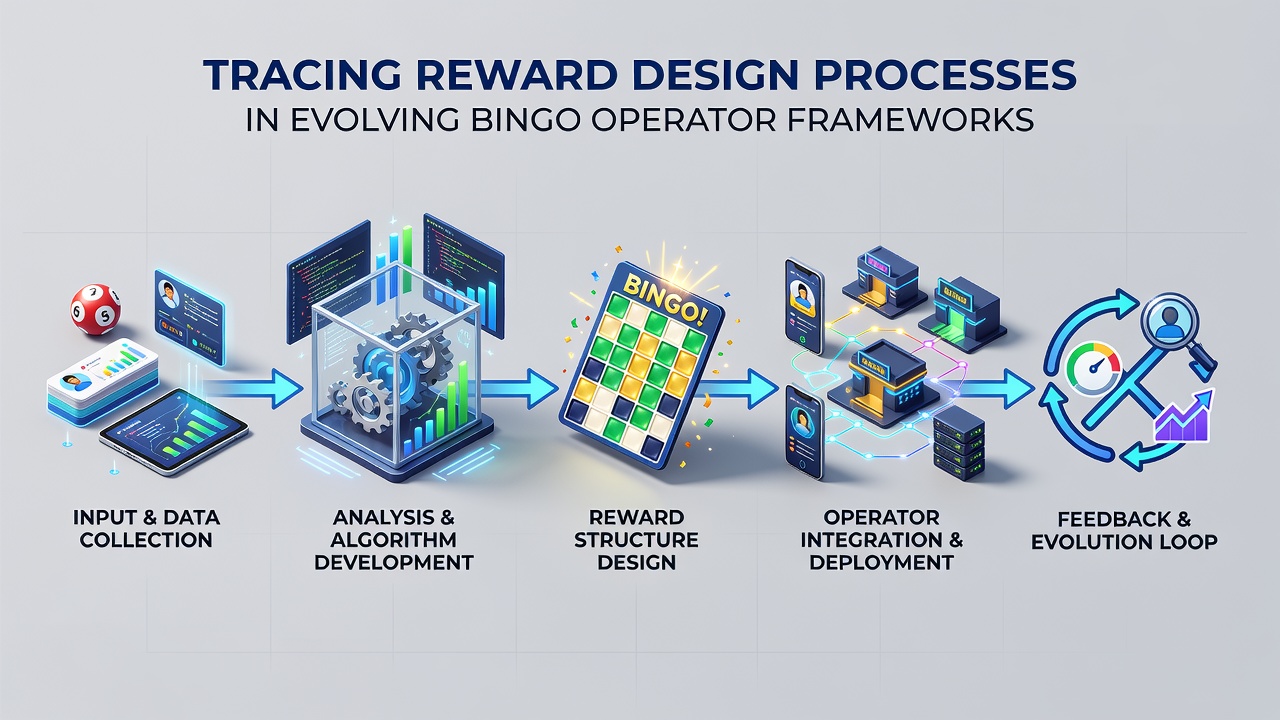
Tracing Reward Design Processes in Evolving Bingo Operator Frameworks
Operators in the bingo sector have refined reward design through structured sequences that begin with data collection and extend through iterative testing phases, and these sequences continue to adapt as digital platforms expand their reach across multiple jurisdictions. Researchers tracking these developments note that early frameworks relied on basic promotional structures, whereas current models incorporate player segmentation analytics and real-time behavioral tracking to shape incentive layers.
Historical Shifts in Design Approaches
Initial reward structures in bingo operations centered on fixed prize pools and straightforward entry bonuses, yet the move toward online environments prompted operators to introduce tiered loyalty systems that responded to session length and deposit frequency. Data from industry reports shows that by the mid-2010s, many frameworks had integrated A/B testing protocols to measure retention rates after each reward adjustment, and this practice expanded further when mobile applications became dominant access points.
Observers have documented how regulatory updates in various regions forced operators to embed compliance checkpoints directly into the design workflow, which meant that every new reward tier underwent legal review before deployment. One study revealed that operators in North American markets adjusted their processes to align with state-level licensing requirements, whereas European operators focused on cross-border data protection standards during the same period.
Core Stages in Modern Reward Creation
Current design processes follow a sequence that starts with market analysis drawn from aggregated player data, moves into prototype development using simulation tools, and concludes with phased rollouts monitored through performance dashboards. Teams responsible for these stages coordinate input from compliance officers, data scientists, and marketing specialists, while external consultants often provide benchmarks from comparable gaming verticals.
What's notable is the increasing role of machine learning models that predict which reward combinations will sustain engagement without exceeding responsible gaming thresholds, and these models receive continuous updates from live transaction streams. Figures from the Canadian Centre for Gaming Research indicate that operators adopting such predictive systems recorded measurable improvements in long-term player retention metrics between 2023 and 2025.
Regulatory and Technological Influences
Changes in licensing conditions across Australia and parts of the European Union have required operators to document every decision point in the reward design chain, creating audit trails that regulators can review on demand. This documentation practice has led many frameworks to adopt modular architectures where individual reward components can be modified or deactivated without disrupting the entire system.
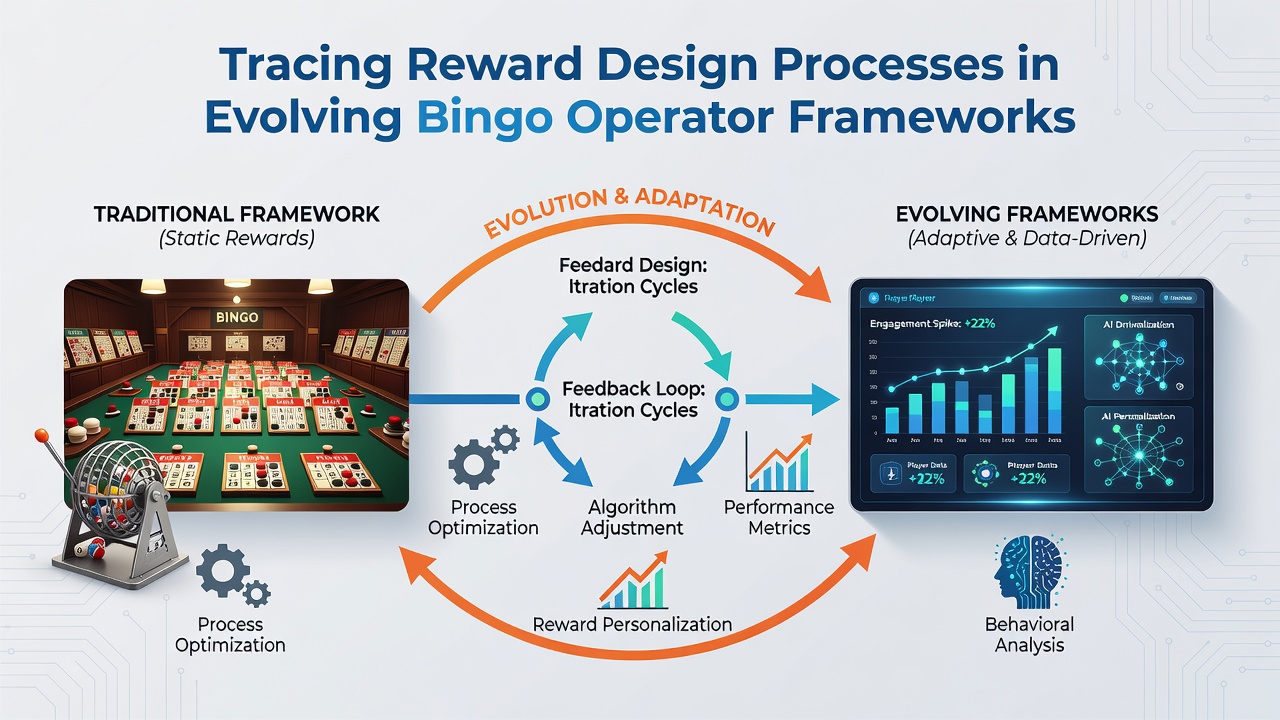
Technological advances such as blockchain-based transaction ledgers have also entered the design conversation, allowing operators to demonstrate transparent prize distribution while maintaining player anonymity where required. Reports compiled by the Australian Institute of Criminology highlight how these tools reduce administrative overhead during compliance audits and simultaneously support faster iteration cycles when new reward mechanics are introduced.
Implementation Patterns Observed in 2026
By November 2026 several operators are scheduled to activate revised reward frameworks that incorporate geolocation filters and dynamic difficulty adjustments tied to individual play patterns. These updates follow extended consultation periods with regional authorities and reflect accumulated findings from multi-year performance reviews across different market segments.
Experts tracking the sector note that the emphasis has shifted from broad acquisition bonuses toward sustained engagement mechanisms that reward consistent play over extended periods, and this shift appears in operator documentation released ahead of the November rollout dates. Coordination between technology providers and compliance teams has become standard practice during the final validation stages.
Conclusion
Tracing reward design processes reveals a progression from simple promotional tactics to integrated systems that balance player retention goals with regulatory demands and technological capabilities. Operators continue to refine these sequences through documented workflows that allow for rapid response to new market conditions while maintaining transparency across all stages. The patterns established through 2026 suggest that future iterations will place even greater weight on predictive analytics and modular compliance structures as digital bingo environments expand further.