What Operator Case Files Reveal About Evolving Bingo Incentive Programs
Finley Franke · Oct 29, 2026
What Operator Case Files Reveal About Evolving Bingo Incentive Programs
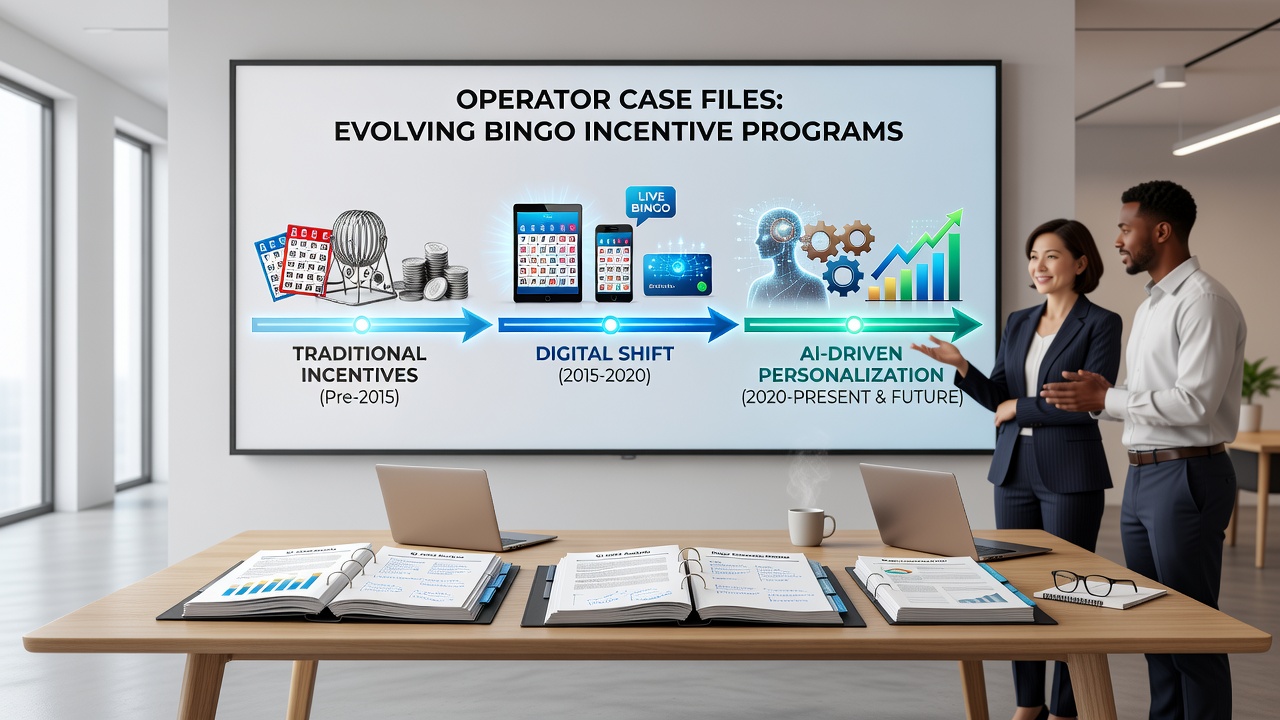
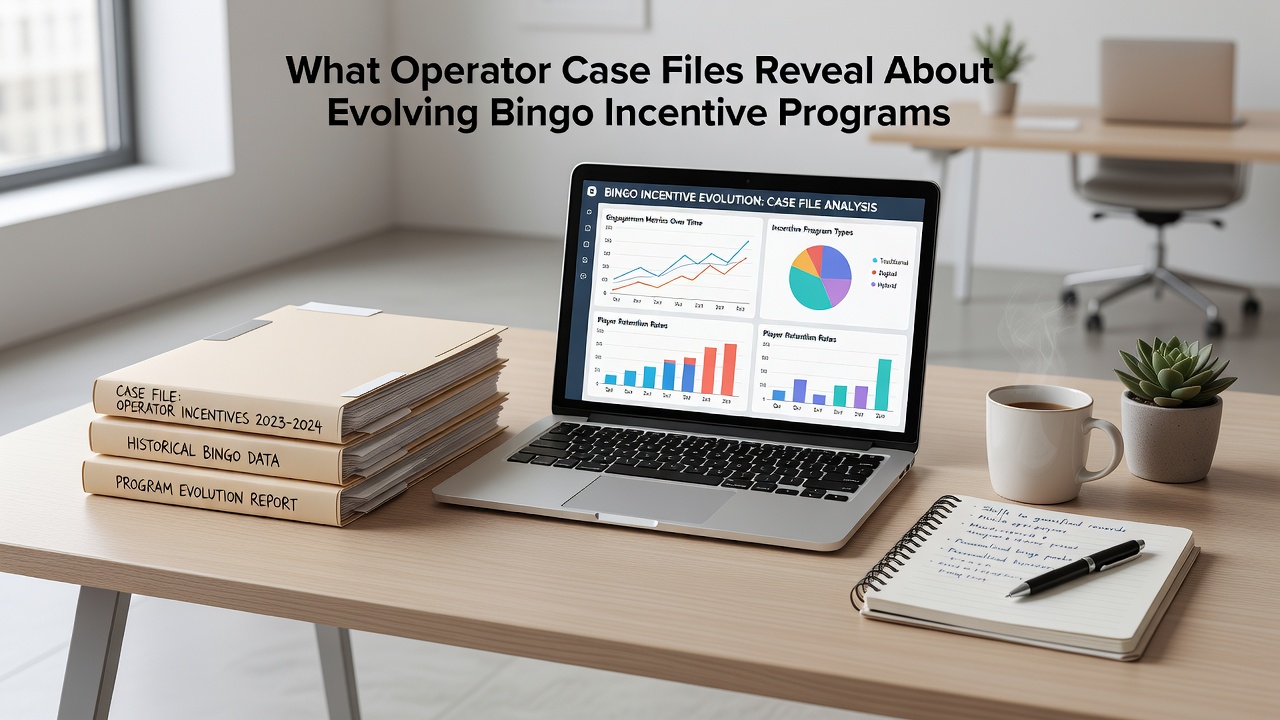
Operator case files compiled across multiple jurisdictions document steady changes in bingo incentive programs over the past decade, with detailed records showing how reward structures have adapted to player behavior metrics and platform usage patterns. These internal files track everything from initial sign-up offers to ongoing loyalty mechanics, and they provide concrete evidence of shifts in how operators allocate promotional budgets and design retention tools.
Patterns in Early Incentive Structures
Files maintained by mid-sized operators in Europe and North America indicate that bingo incentives once centered on straightforward deposit matches and fixed free-card allocations, yet records from 2018 onward reveal operators began layering in gameplay requirements to control cost exposure. Case notes frequently reference adjustments after observing that players who received unrestricted bonuses showed lower long-term activity compared with those offered tiered rewards tied to specific session lengths.
One recurring entry across several operator archives highlights the introduction of cashback programs calibrated to weekly loss thresholds, with data logs demonstrating that these mechanisms reduced player churn by measurable percentages when combined with time-limited play credits.
Data Analytics Driving Program Refinements
Internal analytics sections within operator case files detail the growing use of player segmentation models that sort participants by average spend, session frequency, and preferred game variants. Reports generated through October 2026 show operators testing dynamic bonus values that adjust in real time based on individual engagement scores, with A/B testing logs documenting higher conversion rates when offers align with historical play windows rather than generic calendar events.
These files also record experiments with social and community incentives, such as group challenges that unlock shared prize pools, and the accompanying metrics track participation spikes during coordinated events. Observers note that files from larger networks contain repeated references to machine-learning outputs used to predict optimal bonus timing, while smaller operators rely more on manual review of transaction histories to identify similar patterns.
Regulatory and Market Influences on Offer Design
Case files contain extensive correspondence with licensing authorities and compliance teams, illustrating how rule changes around bonus wagering and disclosure requirements prompted operators to revise promotional language and restructure reward timelines. Records from Canadian provincial regulators, for example, show operators adapting free-play allocations to meet new transparency standards while preserving player appeal, and similar adjustments appear in files from Australian state oversight bodies.
Market competition entries in the files reveal operators monitoring rival promotions through public listings and adjusting their own offers accordingly, with internal summaries noting that cross-platform loyalty integrations became more common after 2024 as players demonstrated preference for rewards transferable across bingo and adjacent gaming verticals. Australian Institute of Criminology reports provide external context for these adaptations by documenting broader industry responses to player mobility across digital platforms.
Emerging Structures Documented in Recent Files
Files updated through 2026 record increased deployment of personalized milestone rewards, where operators grant incremental bonuses upon completion of defined play objectives rather than blanket deposits. Transaction logs within these files indicate that such programs correlate with steadier deposit patterns among retained players, and several operators have expanded testing of subscription-style reward passes that deliver weekly benefits in exchange for consistent activity commitments.
Additional entries describe the integration of responsible-play tools directly into incentive frameworks, such as optional bonus caps that players can set themselves, with usage data showing modest but consistent uptake among segments identified as higher-frequency participants. Research summaries from the Responsible Gambling Council align with patterns found in these operator records, confirming that structured reward limits appear in multiple jurisdictions.
Conclusion
Operator case files collectively map a transition from static bonus offerings toward adaptive, data-informed incentive systems that respond to individual behavior and regulatory parameters. The documented evolution continues as platforms incorporate new analytics capabilities and cross-border player expectations shift, with files serving as primary evidence of how bingo operators maintain engagement while operating within tightening compliance environments.